
Our study shows that people with depression or schizophrenia are less flexible in learning from experience and tend to overestimate the significance of unexpected outcomes that are actually unimportant.

Dr. Hans Kirschner & Prof. Markus Ullsperger, CBBS Paper of the Year 2023, PMID: 38058203

Our study shows that, in Alzheimer’s disease, a misdirected signalling pathway shuts down a key memory protein – and that the drug nitarsone can halt this process in a mouse model and prevent memory problems.

Dr. Anna Karpova, CBBS Paper of the Year 2022, PMID: 36594364

Our study provides the first detailed insight into how specific circuits deep within the brain form memories – and thus offers important avenues for the early detection of Alzheimer’s disease.

Dr. David Berron, CBBS Paper of the Year 2022, PMID: 36222669

Our study shows that HIPP cells control the significance of experiences by using neuropeptide Y to regulate the number of neurons involved in memory formation, thereby influencing which memories are retained most strongly.

Prof. Oliver Stork, CBBS Paper of the Year 2017, PMID: 28775269

Our study shows that, with age, somatosensory maps exhibit larger, overlapping fields that reduce finger discrimination but facilitate everyday tasks, a phenomenon better explained by a feature-based reorganisation model than by de-differentiation.

Prof. Esther Kuehn & Prof. Thomas Wolbers, CBBS Paper of the Year 2021, PMID: 34003108

Our study shows that neuronal damage following a stroke can be visualised early on and in high resolution using a thallium-based method, thereby enabling a more accurate assessment of the viability of brain tissue.

Dr. Jürgen Goldschmidt, CBBS Paper of the Year 2013, PMID: 24129748


Research at the CBBS


The CBBS is dedicated to interdisciplinary brain research and investigates processes ranging from the molecular level to the neural networks that govern behaviour. The most important local consortium at present is the DFG-funded CRC 1436 on neural resources of cognition. In addition, CBBS members are involved in other CRCs and research groups and coordinate the ‘Syntophagy’ research group on the role of autophagy at synapses. CBBS members also play a key role in improving the infrastructural conditions for research at the DZPG Halle-Jena-Magdeburg site, within the STIMULATE research campus for the development of image-guided therapies, as well as in the ultra-high-field MRI infrastructure and the NFDI consortia.

Through these diverse research efforts, the CBBS makes a significant contribution to international progress in various branches of neuroscience by fostering links between basic and applied research.

Current research networks and consortia


Research partners at the CBBS


CBBS publications


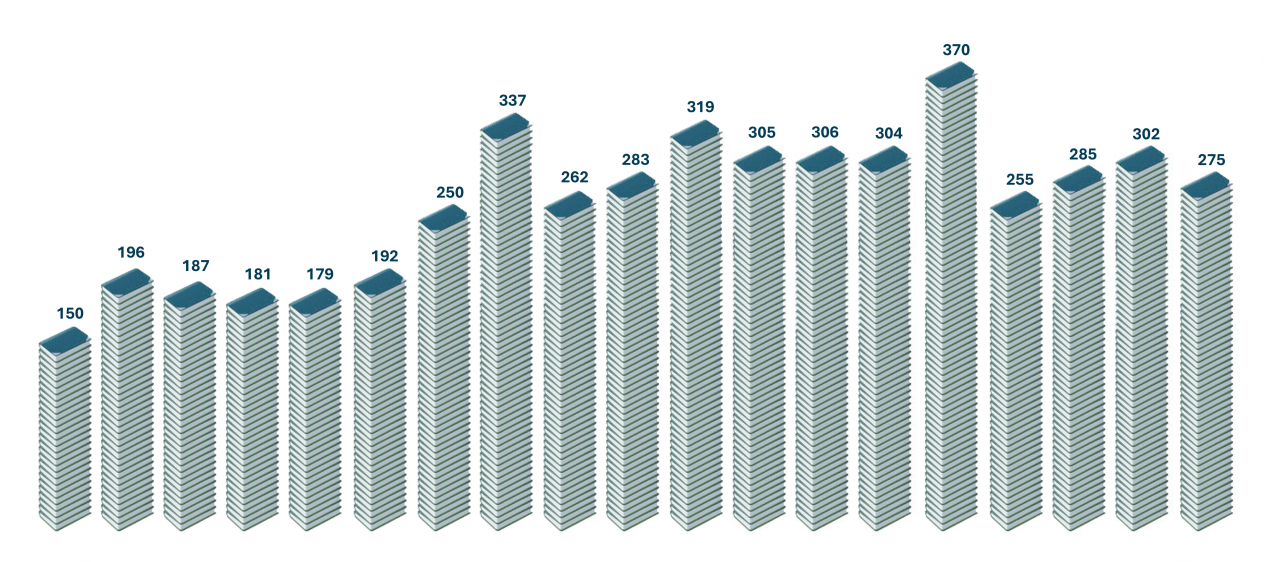
Since 2007, CBBS members have published more than 4,900 peer-reviewed articles in international journals, which are listed in the PubMed publication index, amongst others. To raise the CBBS’s profile within the scientific community, members have been endeavouring since 2012 to list the “Center for Behavioral Brain Sciences Magdeburg” as a secondary affiliation on their publications.

Click on the year to view the publications.


Back